Chinese companies that produce raw materials for electric vehicle batteries show indications of using forced labor, according to a report from The New York Times.
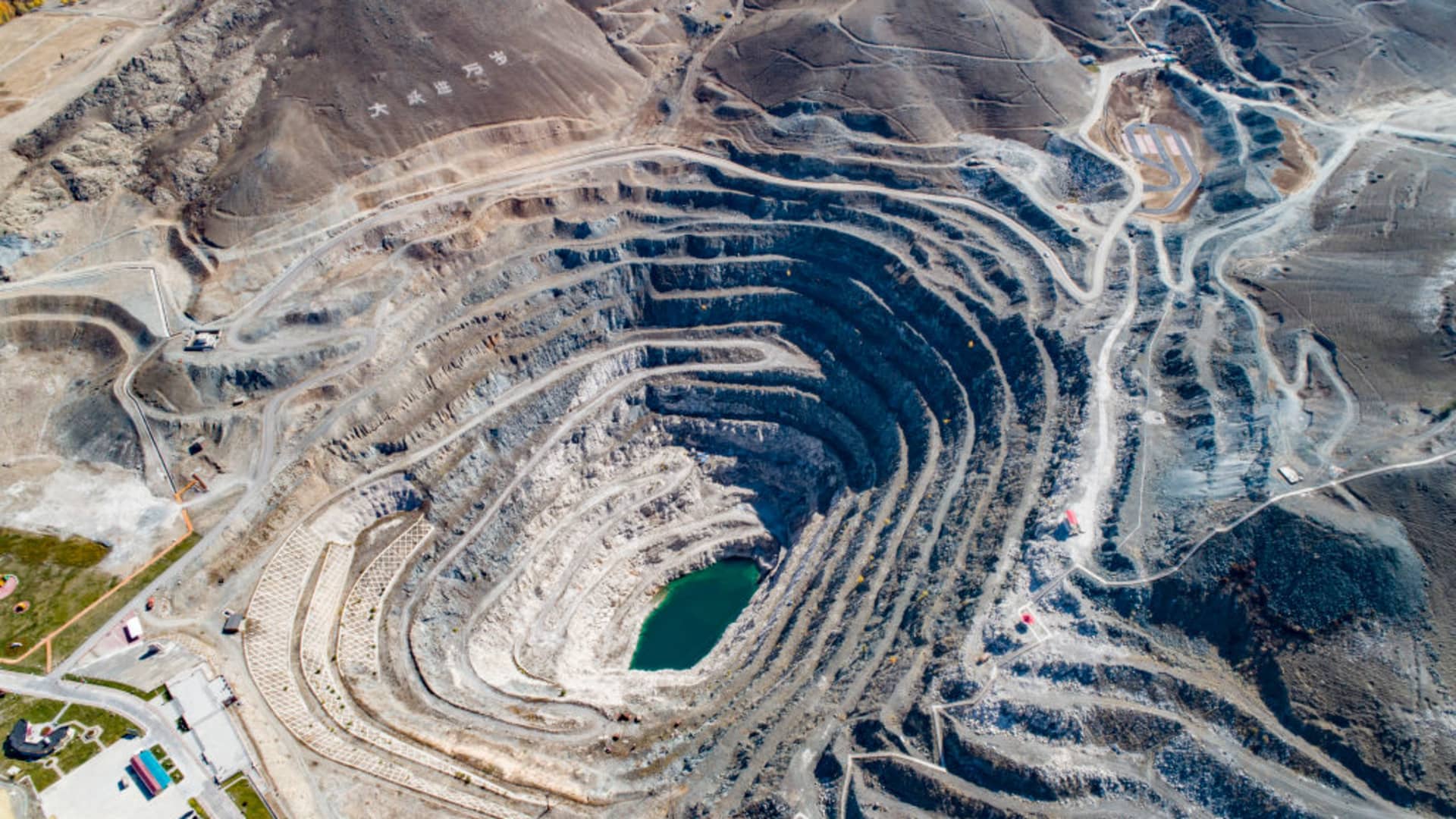
The newspaper reported that mining conglomerate Xinjiang Nonferrous Metal Industry employs hundreds of Uyghurs, an ethnic minority in China, as part of a so-called work transfer program.
The Times reported China has acknowledged running such a program that moves Uyghurs and other ethnic minorities from the south of Xinjiang to the north to work in industrial jobs.
The Chinese embassy in Washington did not immediately respond to a CNBC request for comment.
The U.S. State Department previously noted, citing an independent researcher, that transferred workers are at risk of being subjected to forced labor. It has also previously cited Chinese academic publications that “described labor transfers as a crucial means to fragment Uyghur society and mitigate the ‘negative’ impact of religion.”
In social media posts translated by the Times, Xinjiang Nonferrous said workers from mostly Muslim minorities were lectured on “eradicating religious extremism” and becoming workers who “embraced their Chinese nationhood.”
Chinese authorities have repeatedly denied that the country imprisons or enslaves Uyghurs. On Tuesday, Chinese Foreign Ministry spokesperson Wang Wenbin said the claims of forced labor in Xinjiang are a “huge lie made up by anti-China forces to denigrate China.” He said the rights of workers of all ethnic groups in Xinjiang are duly protected.
Xinjiang Nonferrous Metal Industry produces minerals and metals, including lithium, nickel and copper. It has exported metals to the United States, Germany, U.K., Japan and India, the Times reported. It’s unclear whether these relationships are ongoing, however, the New York Times reported.
The report was published on the eve of the Uyghur Forced Labor Prevention Act taking effect in the United States. The legislation bans goods made with forced labor in Xinjiang from entering the U.S. market.
The Times reported that thousands of companies could have some link to Xinjiang in their supply chains. If fully enforced, many products, including some needed for electric vehicles, may be stopped at the border.
Read the full report in the New York Times.