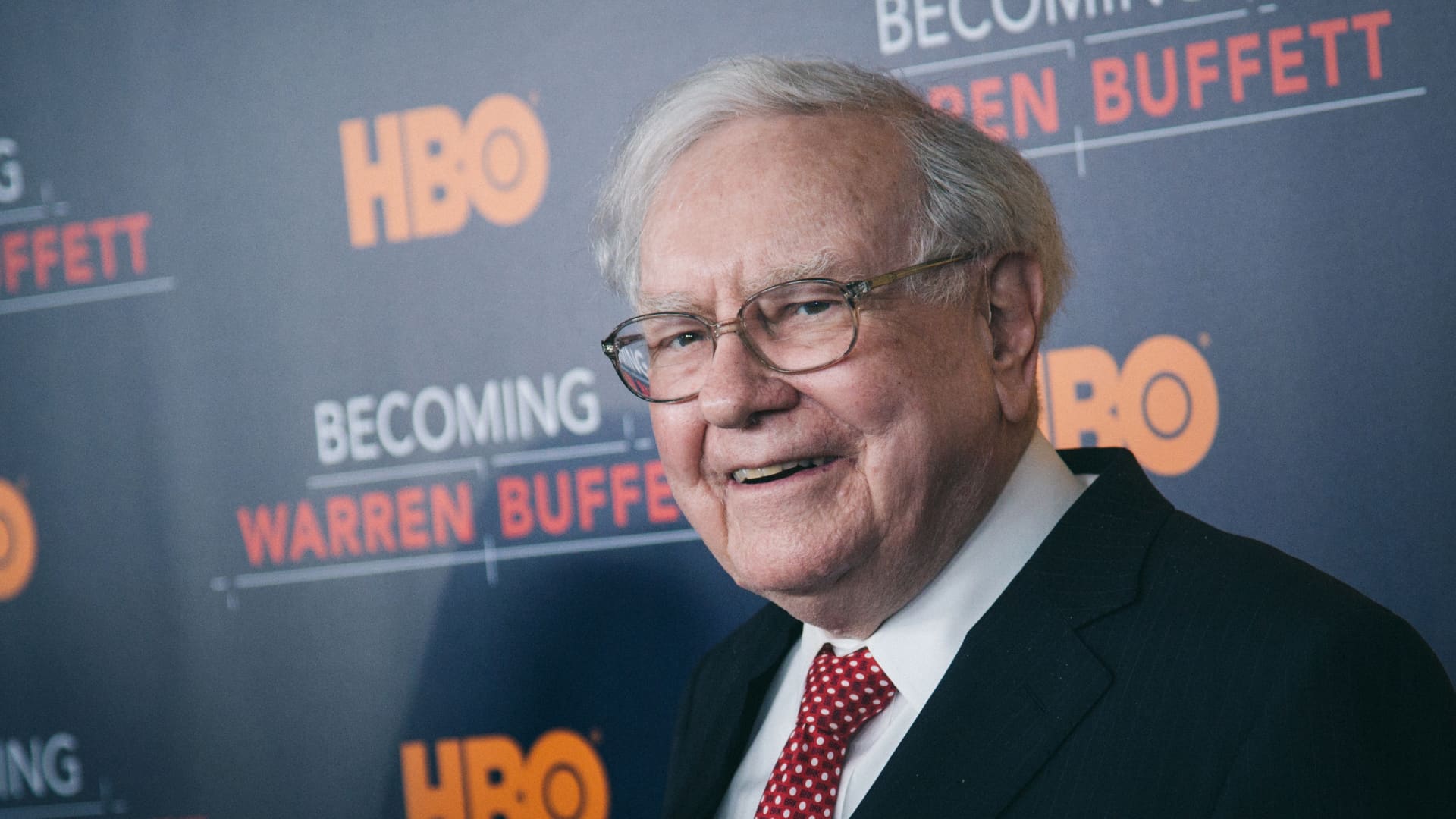
Warren Buffett said he was “confounded” by the opportunity to buy into five Japanese trading houses two years ago.
“I was confounded by the fact that we could buy into these companies,” Buffett told CNBC’s Becky Quick on “Squawk Box” in an interview from Tokyo Wednesday. They had in effect “an earnings yield maybe 14% or something like that, but dividends would grow.”
related investing news
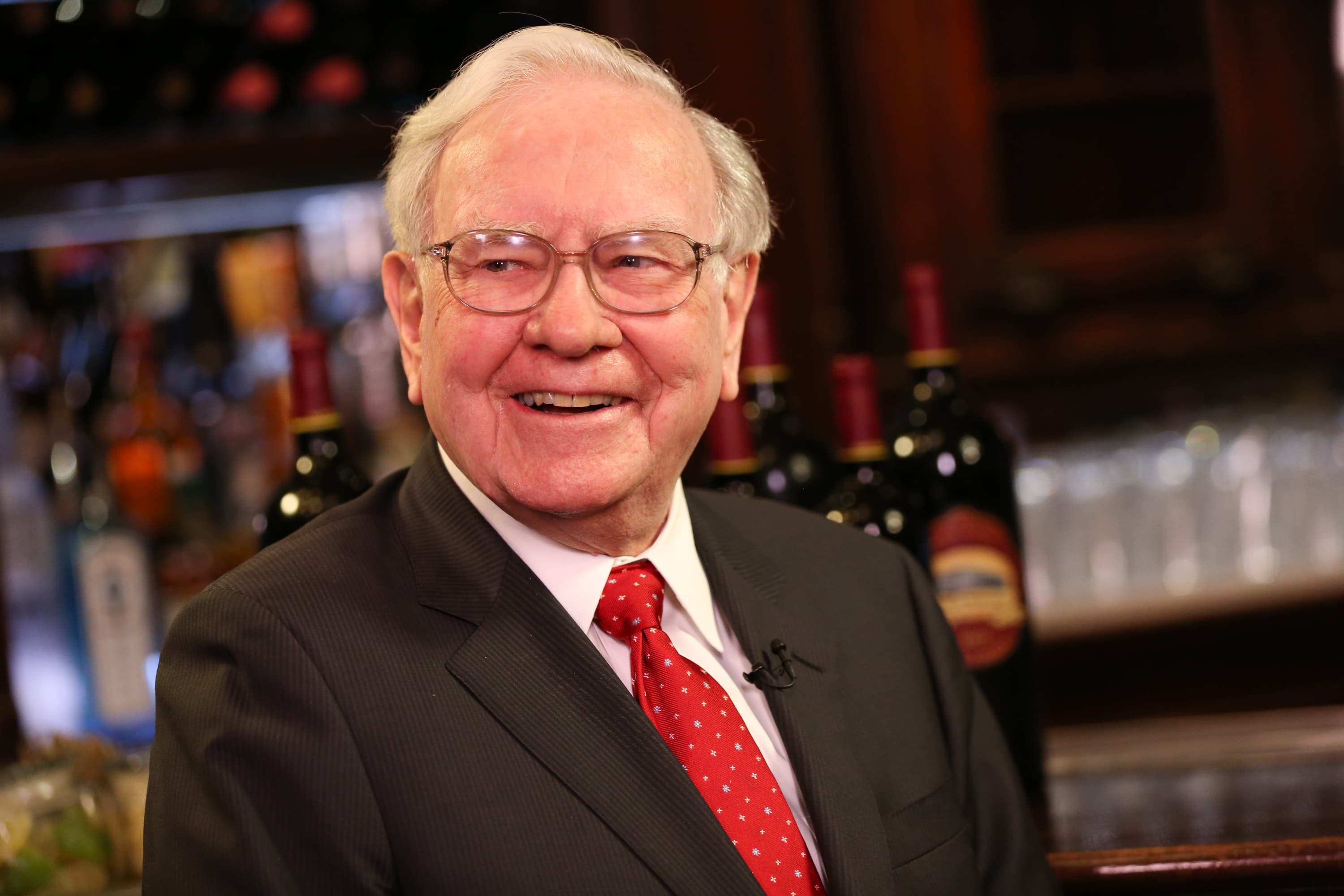

The Berkshire Hathaway chairman and CEO revealed this week that he had raised his stakes in each of the five major Japanese firms to 7.4%, and added that he may consider further investments. Buffett’s trip to Japan is intended to show support to the companies.
Earnings yield is defined as the profit per share divided by the share price and is a common measure used by value investors like Buffett. The higher the number, the more value investors are getting per share.
Buffett, 92, said on Wednesday that Berkshire plans to hold the investments for 10 to 20 years. Berkshire previously said it could raise its stakes in each of the trading houses up to 9.9% — though not without the approval of the firms’ boards of directors.
Dealmaking?
Buffett’s heir apparent Greg Abel added that Berkshire is also interested in any further “incremental opportunity” with each of the firms in terms of dealmaking.
“We would very much evaluate it quickly. Warren highlighted the bigger the better, and that he’ll answer the phone on the first ring. And we’ll never run out of money. They can call us anytime,” said Abel.
The “Oracle of Omaha” first acquired stakes in these firms in August 2020 for his 90th birthday, in an initial purchase worth roughly $6 billion. The firms are Mitsubishi Corp., Mitsui & Co., Itochu Corp., Marubeni and Sumitomo.
Known as sogo shosha, Japan’s trading houses are akin to conglomerates and trade in a wide range of products and materials. With the import of metals, textiles, food and other goods, they helped vaunt the Japan’s economy to the global stage.
They have been criticized by some investors for their complex operations, as well as for their growing exposure to risks overseas as they expanded internationally. However, for Buffett, those diversified operations could be part of the draw. They also boast high dividend yields and free cash flow.